
The works in this section about what we consume are anything but static. These artists illuminate, investigate, and illustrate the unquiet life of food.
Lisa Amundsen Giannini
My recent work reflects on moments from my first decade of adulthood. Our twenties are a chapter in which we have space to experiment and have not yet fully grasped our own mortality. As a millennial who turned 30 during the pandemic, I spent the final years of my twenties in lockdown. I began to face mortality in a real way, living in Brooklyn near a major hospital and hearing sirens blaring all day and night. I realized how short life is, and decided to move across the country with barely a goodbye.


Lisa Amundsen Giannini is a visual artist based in LA. Lisa’s art is informed by her dual training in graphic design and fine arts. Her work has always been autobiographical, stemming from an interest in the human condition, sources of life, and mortality.
Sarah Yuster
Armed with the tenet that small, ordinary truths often illuminate larger fields, I paint with an eye towards the tension and beauty that can occur when man, technology and the natural world convene at random points. These images – plain, familiar, observed from common angles, are my visually transposed moments of willed isolation and affection for an inherent sense of belonging.
We all share the common denominator of unadorned minutes – our minds idle or wander while we perform menial tasks or wait at a stoplight, eyes barely focusing on the immediately available. These peripheral sights, unremarkable subjects, are quiet, visible anchors to our environment, neighborhoods and each other. I care to paint them because they have the subdued strength of an emotional shorthand, like a glance between siblings in the presence of a parent.
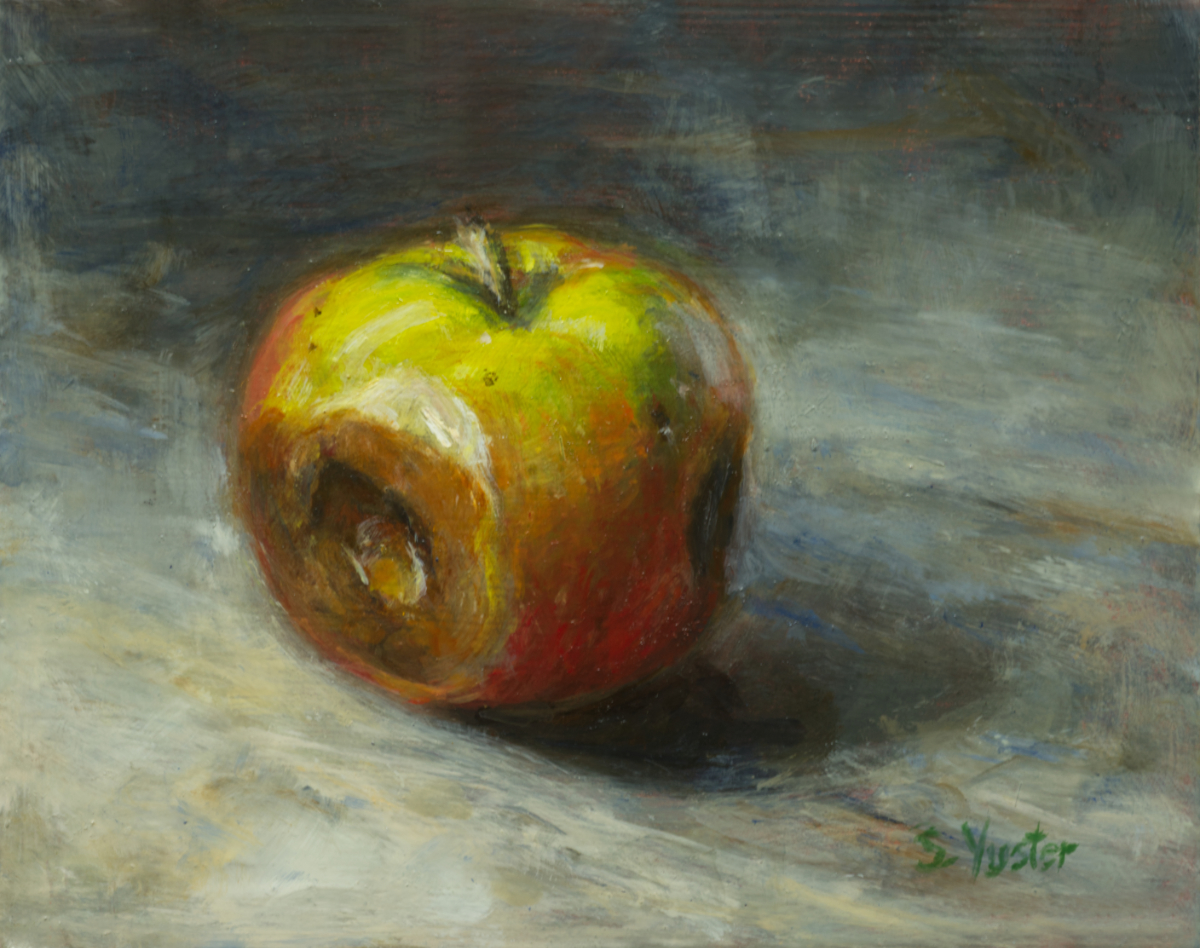
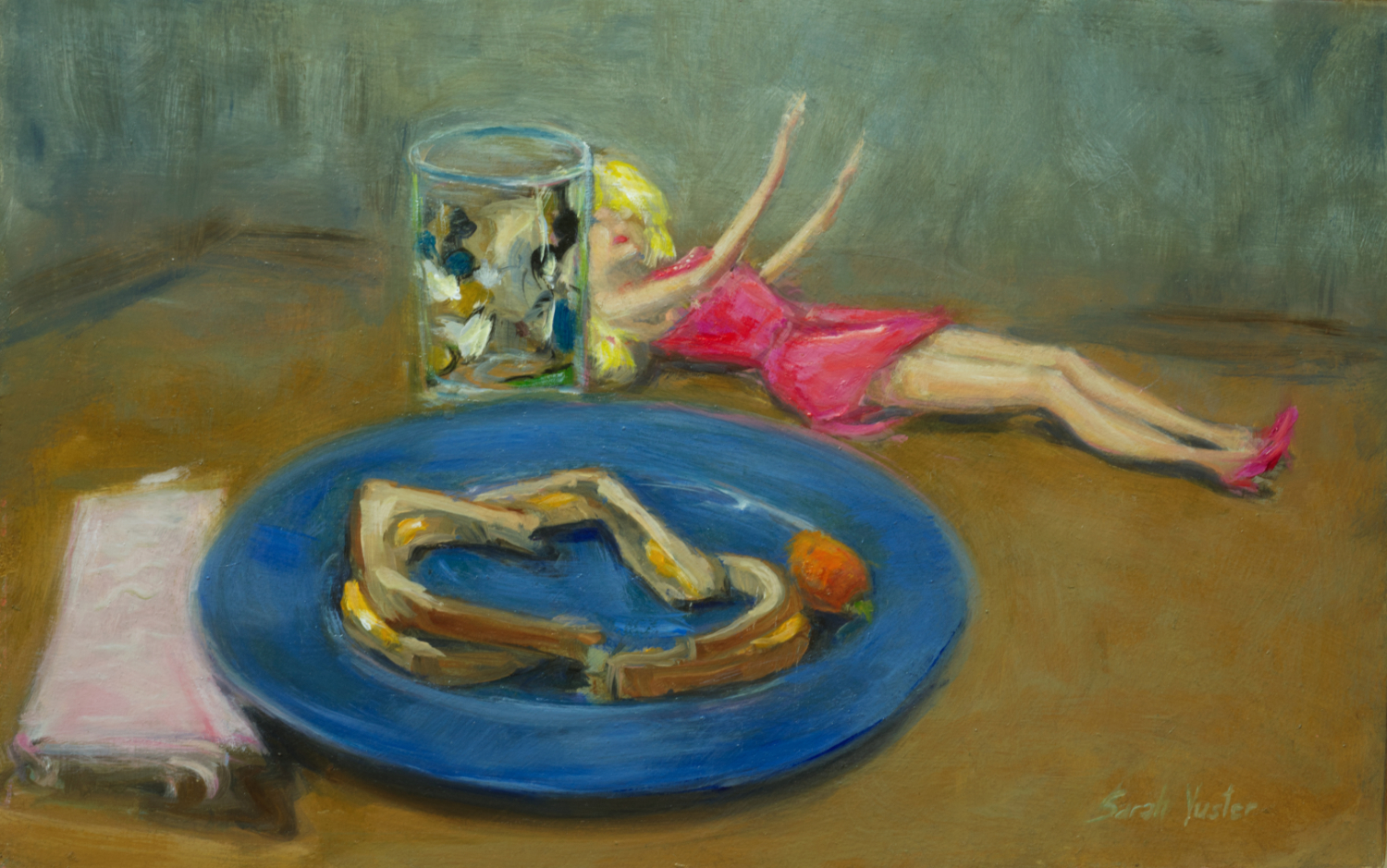

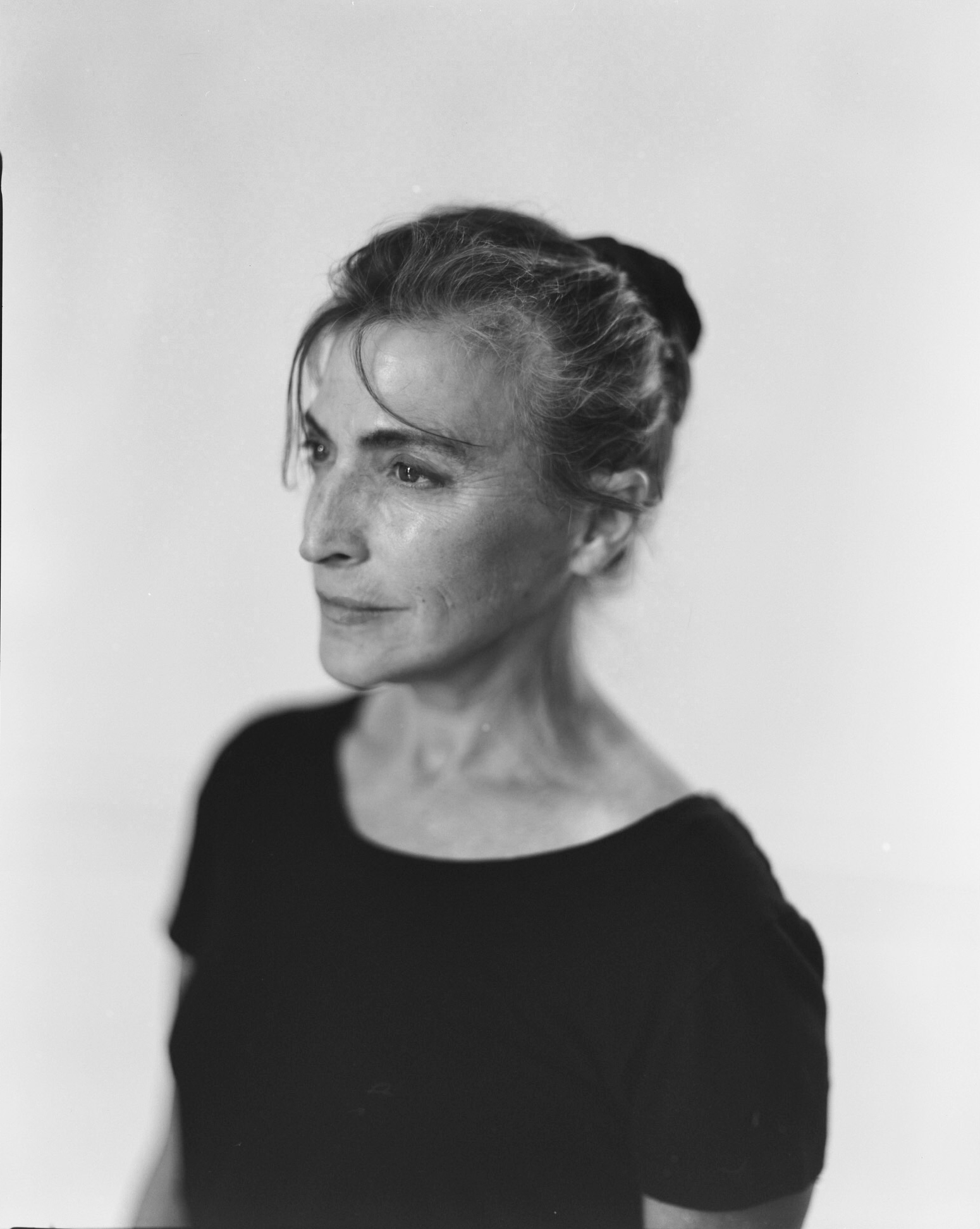
Sarah Yuster paints urban landscapes and insightful portraits Her work is in fine collections including the Smithsonian’s National Portrait Gallery and the National Air & Space Museum. She’s also a documentary filmmaker focusing on social issues.
Ilse Miller
I make detailed large scale still life paintings in acrylic. I started painting still lifes to investigate the tradition and reflect on the object and curation. I’m also interested in childhood, consumerism, and late stage capitalism. I invite the viewer to escape for a moment and enter my world. I am memorializing personal objects. By using the objects, I investigate the aesthetic value of objects.
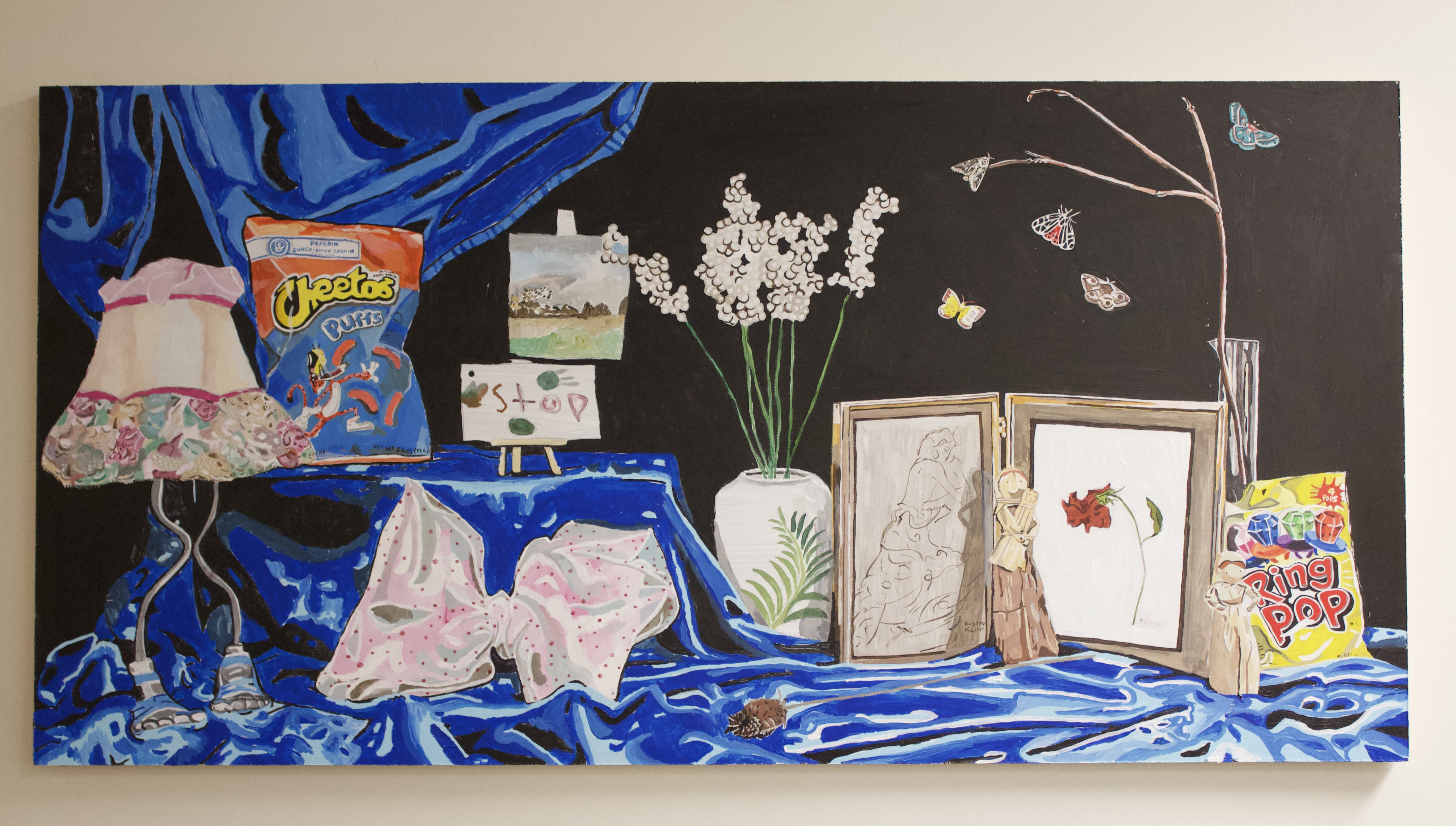
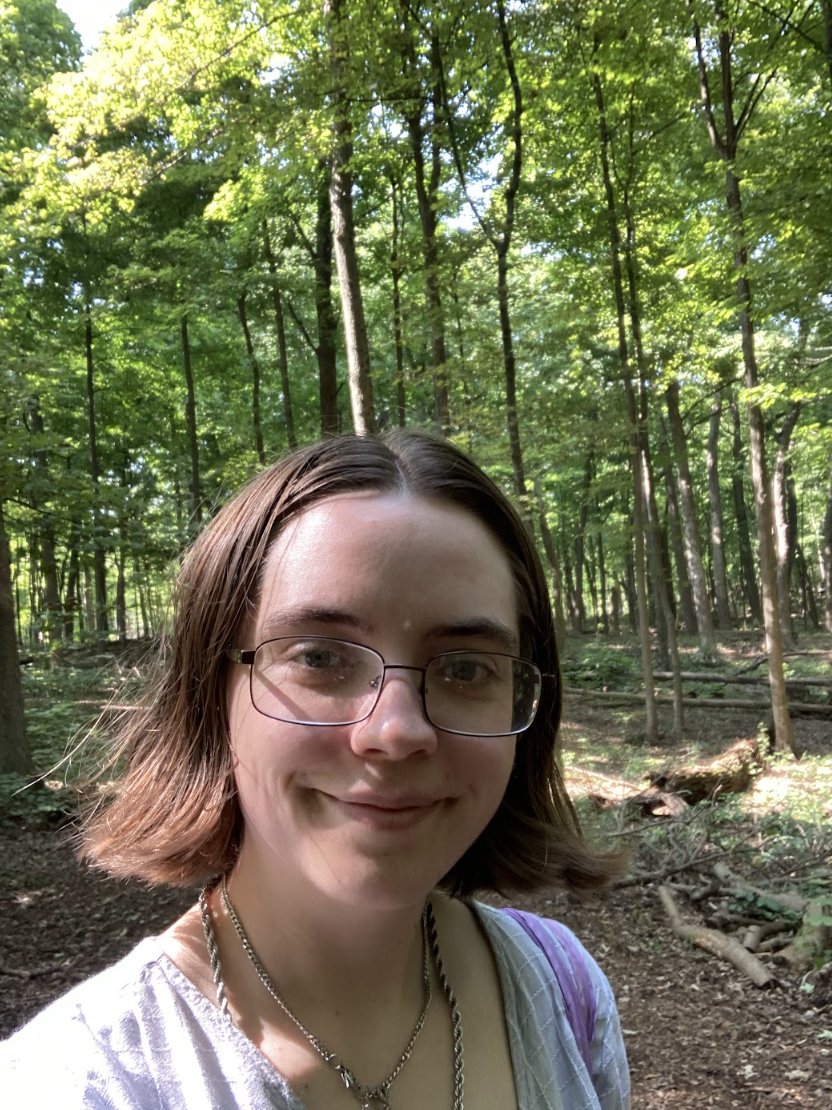
I am a Chicago painter and MFA candidate at Illinois State University. I use the tradition of still life to investigate how inanimate objects inform identity. I am interested in finding meaning in the objects I surround myself with.
Kevin Flynn
The following photographs of fruits and vegetables are in the tradition of the classic still life with a nod to Victorian botanical drawing and a wink to California graphic fruit crate art (my “roots” in California go back five generations). The intent is to create an almost a planetary stillness by stripping perspective and scale while retaining the visual punch of the isolated subject.
There is also the subtext of documenting the cross border and inter-continental trade of foodstuffs that adorn our tables.
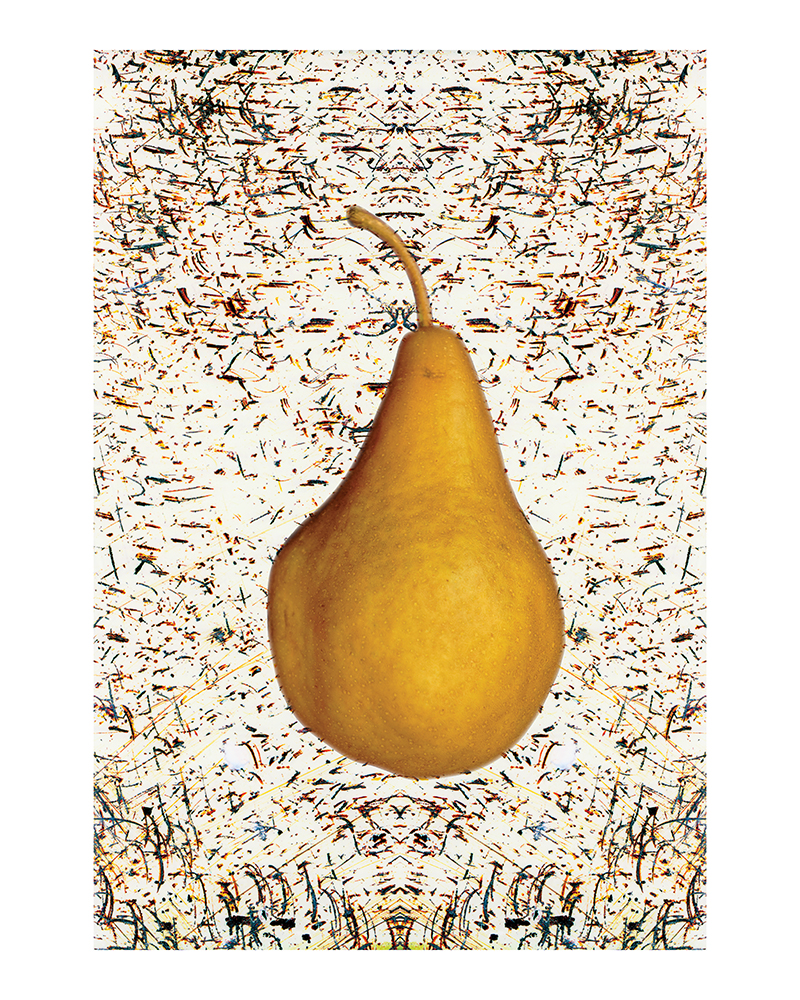
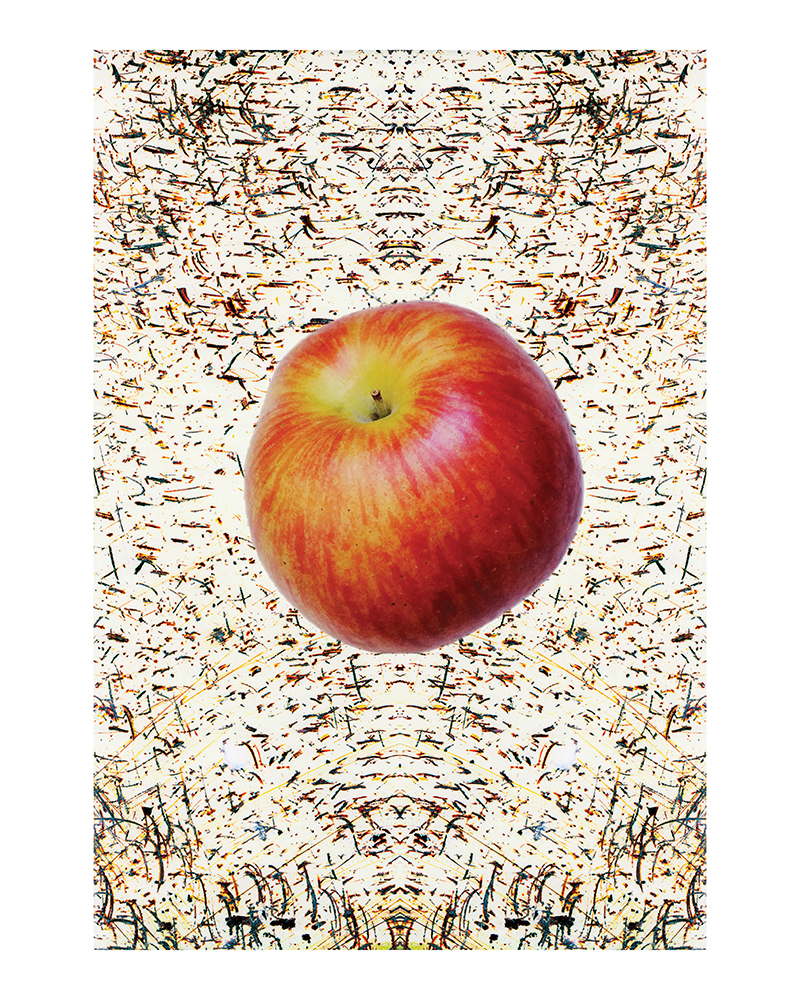

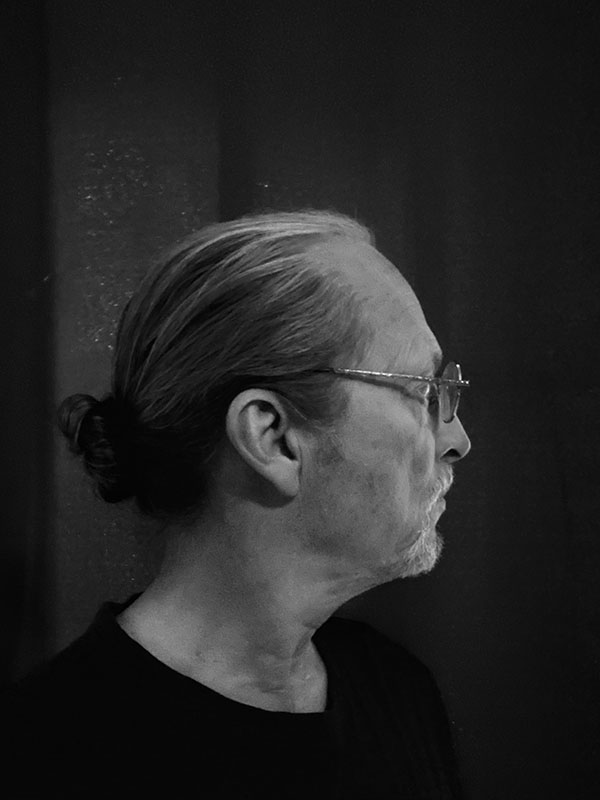
I am a non-commercial photographer and visual artist living in Oakland, California. I obtained the Bachelor of Arts Degree in Photography from the Aesthetic Studies Program at the University of California, Santa Cruz, with Honors in the Major.
Susan Kaprov
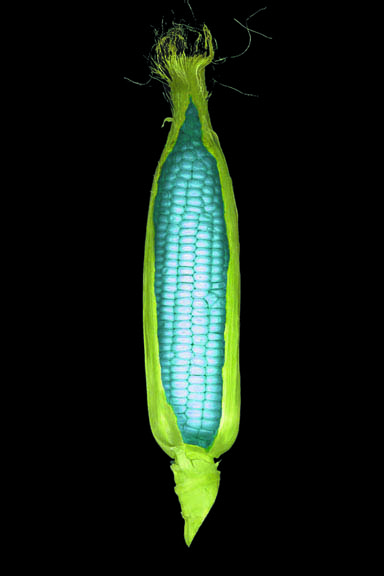
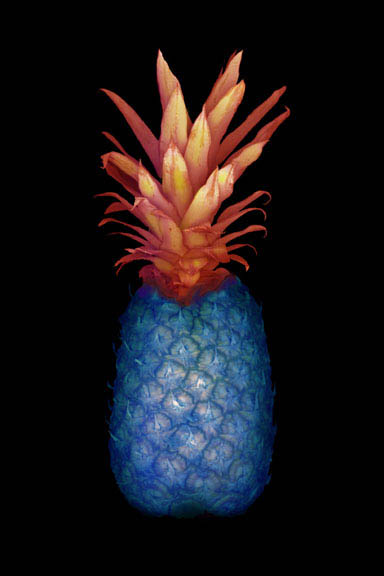
FROM THE GARDEN OF ALTERED DELIGHTS
For most Americans, the heated controversy over genetically modified foods is distant and mystifying. Science tells us that through genetic engineering, we can harness nature’s genetic code to create nutritious new species from common fruits and vegetables. The question is accomplishing this safely.
Using digital technology, the composite images ‘FROM THE GARDEN OF ALTERED DELIGHTS, envision genetically engineered foods that, although imaginary could conceivably be developed by the major agricultural biotech corporations.
This is both frightening and seductive. These companies claim, often without proof, to be leading a new agricultural revolution with crops modified to survive frost, drought, pests, flood, fire and plague. However, their long-term safety and nutritional value remain unknown.
The challenge is expressing this conflict using art as an investigative tool. The futuristic images from this series are colorful, stark, even humorous emerging from a dark, penetrating black background.

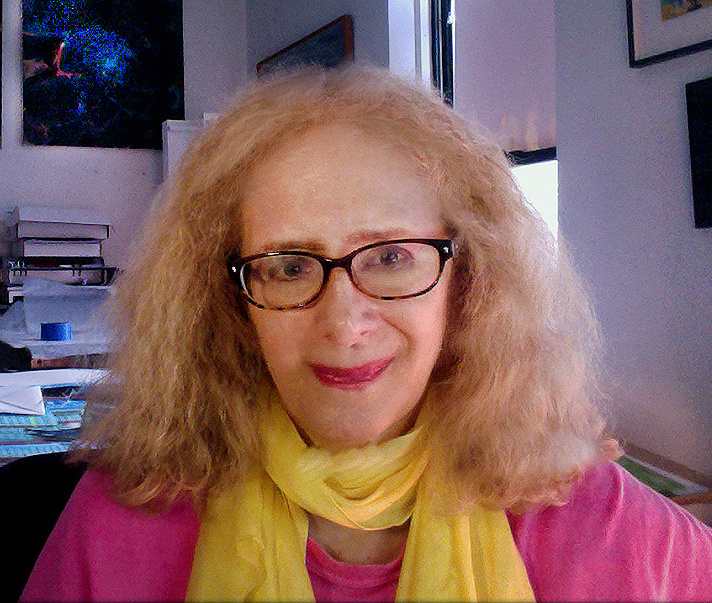
Born in NYC; BS Biology City Univ. NY 1989; Dartmouth College fine arts 1990-2. Coll: MoMA NY; Metropolitan Museum NY; Museum Boijmans-van Beuningen; Corcoran Art Gallery; Yale Univ. Art Gallery; Santa Barbara Museum; Whitney Museum NY.
 the museum of americana: A LITERARY REVIEW