
Sunday Dinner, by Diane Pickett
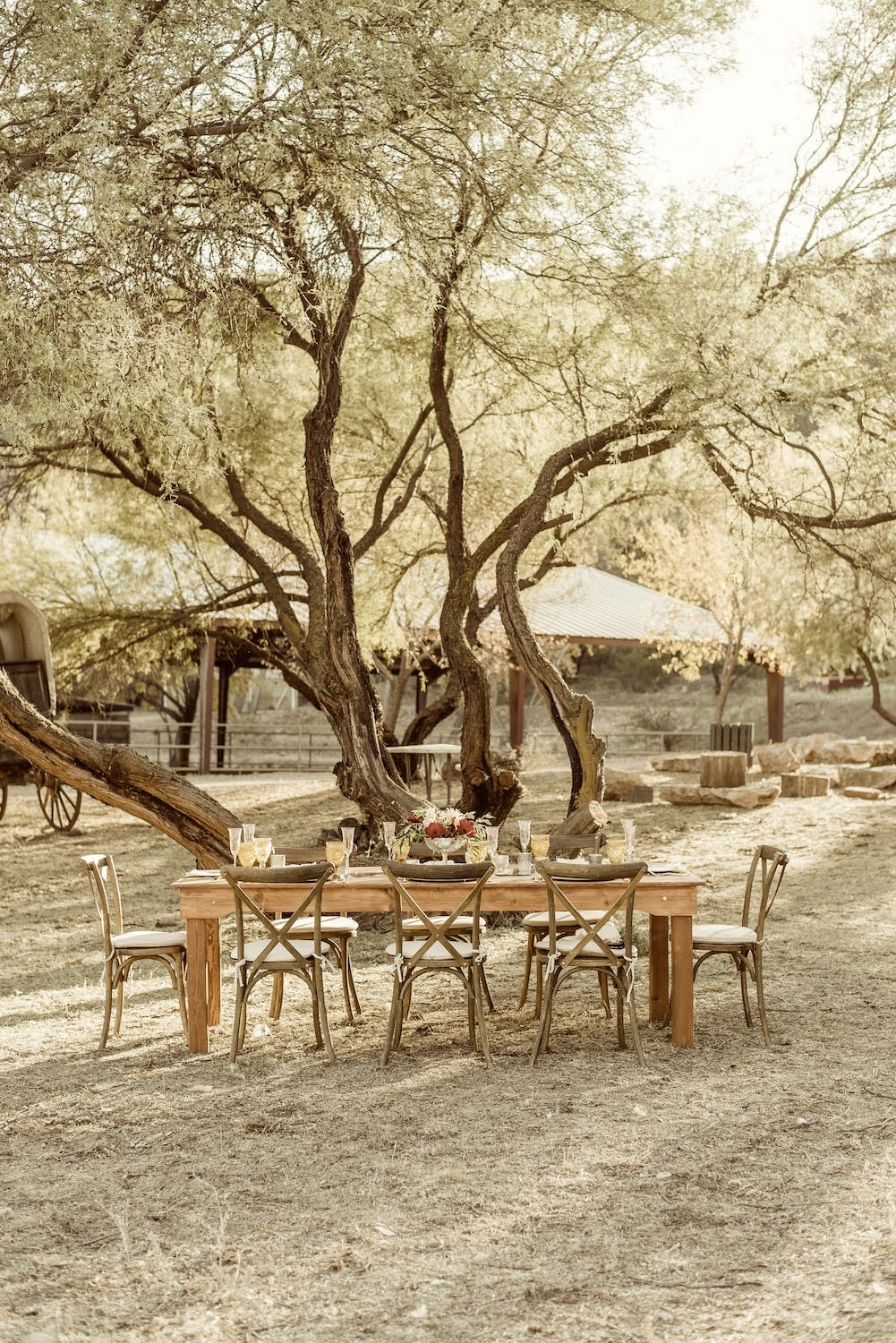
In the Deep South, religion was practiced every Sunday, and dinner at Mama’s was just as important as the sermon—and sometimes better attended. Many a churchgoer longed not only for salvation but was convinced it resided in that pot of chicken and dumplings or plate of fried chicken, buttered biscuits the size of small pancakes, and mashed potatoes awaiting them at Mama’s. The conclusion of every sermon was followed by a rapid retreat with murmurings of “Mighty nice, Preacher, but I got to get Mama on home so she can stir up some biscuits for dinner, but we’ll see you at prayer meeting come Wednesday night. We never miss, you know.”
Dinner was at noon, and the evening meal was called supper. But Sunday dinner was the real showstopper. Mama usually had several of her children, some married and some still at home. Even the married ones usually lived nearby, and Sunday dinner was as sacred as a sermon and generated lots more enthusiasm. You might get away with missing church once in a while, but never dinner at Mama’s table. There she reigned supreme and marshaled her forces like a general. Children were pressed into service setting out plates and pouring glasses of Southern wine and sweet tea. No whining child complained, “I don’t want to,” or “You can’t make me.” Mama could, and she would, with stern advice, saying, “If you’re big enough to eat at the table, you can help set it. If you can’t help, then go on out in the yard ’til you learn some manners.”
Daughters-in-law stood at attention awaiting orders such as “Betty Jean, mind you don’t burn that gravy. Just keep on stirring it, but don’t let it get too brown now. You got to stir it ’til all that flour taste gets out of it.” There was also the occasional barb leveled at an unpopular wife with comments such as “I guess your mama didn’t teach you much about cooking ’cause I reckon she didn’t learn, herself. Why, land alive, I tasted her chocolate cake at the Ladies Church Circle meeting last week, and she mustn’t know cakes need eggs. It was flat as liver.”
Daughters-in-law stood at attention awaiting orders such as
“Betty Jean, mind you don’t burn that gravy.”
No one ever talked back to Mama. They waited ’til they got back home, and then some wife exploded with “I don’t know why your mama’s so mean to me. She’s always carrying on about my cooking.” To which he would reply, “Betty Jean, she ain’t mean; she’s just mad. You know I’ve always been her favorite. I got to agree with her about your cooking, though. Since we got married I’ve lost twenty pounds, and Mama was bound to notice. If it weren’t for Sunday dinner, I woulda wasted away. You got to either learn to cook, or I’m gonna have to go back and stay with Mama ’til I can get fattened up again.”
~
Sunday dinner wasn’t just for family. It also included neighbors and friends. Out in the country, it was common for households to take turns feeding the preacher and his family. Mama was proud to have him, and on her Sundays, it was like winning the lottery. Unless the preacher had a wife who weighed 200 pounds and eight kids. In that event, Mama would try to give her ticket to an unsuspecting newcomer. If she couldn’t get a taker, Henry D had to go to the barn and run that old hen off the nest, gather whatever eggs he could find, and catch another chicken to put in the pot.
Chickens had a way of knowing when it was Sunday. They’d fly up to the top of the barn out of reach, all the while dropping feathers and other unpleasantries on Henry D’s head. That caused him to put his head in the water trough before coming back inside, and there was always a feather or two left on top. He lamented as he came in the back door, “I’m just damned glad I’m not bald.”
When it came to the blessing, “I hope that preacher don’t have no more kids ’cause I’m mighty tired of chasing chickens. Sunday is supposed to be a day of rest, but I don’t seem to be getting any with this bunch. I sure hope we get a new preacher soon before I run out of chickens.”
Whatever the crowd, Mama would put on a feast, making the Last Supper look like a tailgate picnic. There’d be several kinds of meats, every vegetable growing in the garden, and of course, the preacher’s favorite pie or cake.
The assembled crowd waited for Mama to sit and then turned worried eyes toward the preacher, guessing how long he might go on. No meal in the South was consumed without being prayed over first, and some preachers prayed like another sermon. Everybody hoped he’d missed breakfast and was hungry enough to lay off before the fried chicken got cold. While the preacher went on about salvation, the family prayed he’d just hurry up. Children fidgeted and crawled around under the table to escape the onslaught of prayer fervor. They hoped to get a head start on dinner by snatching a biscuit while heads were bowed. It took him a while to figure it out, but the preacher’s popularity was directly linked to the length of his prayers. The shorter the sermon, the more often he got invited back. Some new preachers never made it for round two. If he went on too long, a polite cough from Mama would hurry him along to Amen.
At that, chaos unfolded like the Stock Exchange opening bell, with shouts of “Pass me the cornbread” or just as often, “I got to have me one of them biscuits, and I need that butter to go with it” amid cries of “What happened to all the fried chicken? I never got a piece.” This would be accompanied by a mad scramble for a platter of meat or a dish of peas or okra and tomatoes picked that morning before church got underway. Sometimes there’d be an agonizing cry of “I’m hungry” from a child who got overlooked in the bustle and tumble of plates and dishes being passed around and, often, over their heads.
“…the preacher’s popularity was directly linked to the length of his prayers. The shorter the sermon, the more often he got invited back.”
After, while the women and children cleared the table, the men sat back in their chairs, indifferent to the work going on around them. No man ever cleared the table. The men considered that women’s work, and while the ladies reluctantly organized the business of dessert, the men continued to ignore them while leisurely sipping their freshly poured cups of coffee. This was usually done by a seemingly compliant woman who oftentimes was seething underneath but dared not show her resentment at feeling invisible. It was, after all, a man’s world, and women were considered attractive servants.
Smoking was not allowed, so they had to wait for the all-clear from Mama, who said, “There’ll be no smoking at my table on Sunday. The Lord didn’t smoke, and you’re not going to either on His day. When y’all get through with your cake, you can sit on the front porch and have your tobacco out there. You’ll just have to wait till then for that filthy habit.”
Just about that time came the glorious presentation of that Southern classic—coconut cake. That cake was served every Sunday whether the preacher liked it or not, unless it was summertime, when big, fat, juicy blackberries commanded the table. Sometimes they were in the form of deep-dish pies or served on their own with fresh, warm cream straight from the cow. Muffins were unknown as it was widely assumed that if it didn’t fit on a biscuit, you didn’t need it.
Blackberries always made for discussion, whereas coconut cake was praised simply for being “heavenly.” Nobody thought to ask, “Where did those coconuts come from,” or “Did you have to climb all the way up the tree to get ’em?” Yet, the discussion about blackberries would go on by delivering important information, often provided by children. Summertime, kids, and blackberries just seemed to go together. Kids proudly related such facts as “We walked all the way down to the pond to get some good ones. Billy saw them at the swimming hole last week, but they weren’t ready yet, so we waited till yesterday. Good thing we did ’cause ole Mr. Gibbs came down the lane with his bucket and tried to chase us away. We ran off yelling, ‘We saved you a few, right by that ole snake hole.’ We got our eye on another bunch coming along pretty good down by that ole barn. But we gotta climb the fence to get ’em, and somebody’s gonna have to hold the bucket while I pick. I can’t do both, and they gotta stand right in the middle of that big briar patch too. But there’s lots of berries that’ll be ready real soon.”
That brought cries of alarm from Mama, who said, “Why, don’t you dare go down there. That barn’s just full of old hay and lots of places for snakes to hide in those briars too. You better not let me catch you down there, or you’ll be picking blackberries out of your backside for the rest of the summer.”
You can understand now why coconut cake was not nearly as stimulating a conversation, but blackberry stories always captivated Sunday Dinner.
~~~

Diane Pickett is a former medical executive and emerging writer whose debut novel, Never Isn’t Long Enough, reflects the edgy style she brings to her stories based on growing up in the South—where she still lives. Her latest book, The Tea Wasn’t Always Sweet, will be out in 2024.
 the museum of americana: A LITERARY REVIEW